ceramic Coating
Ultimate Buyers Guide
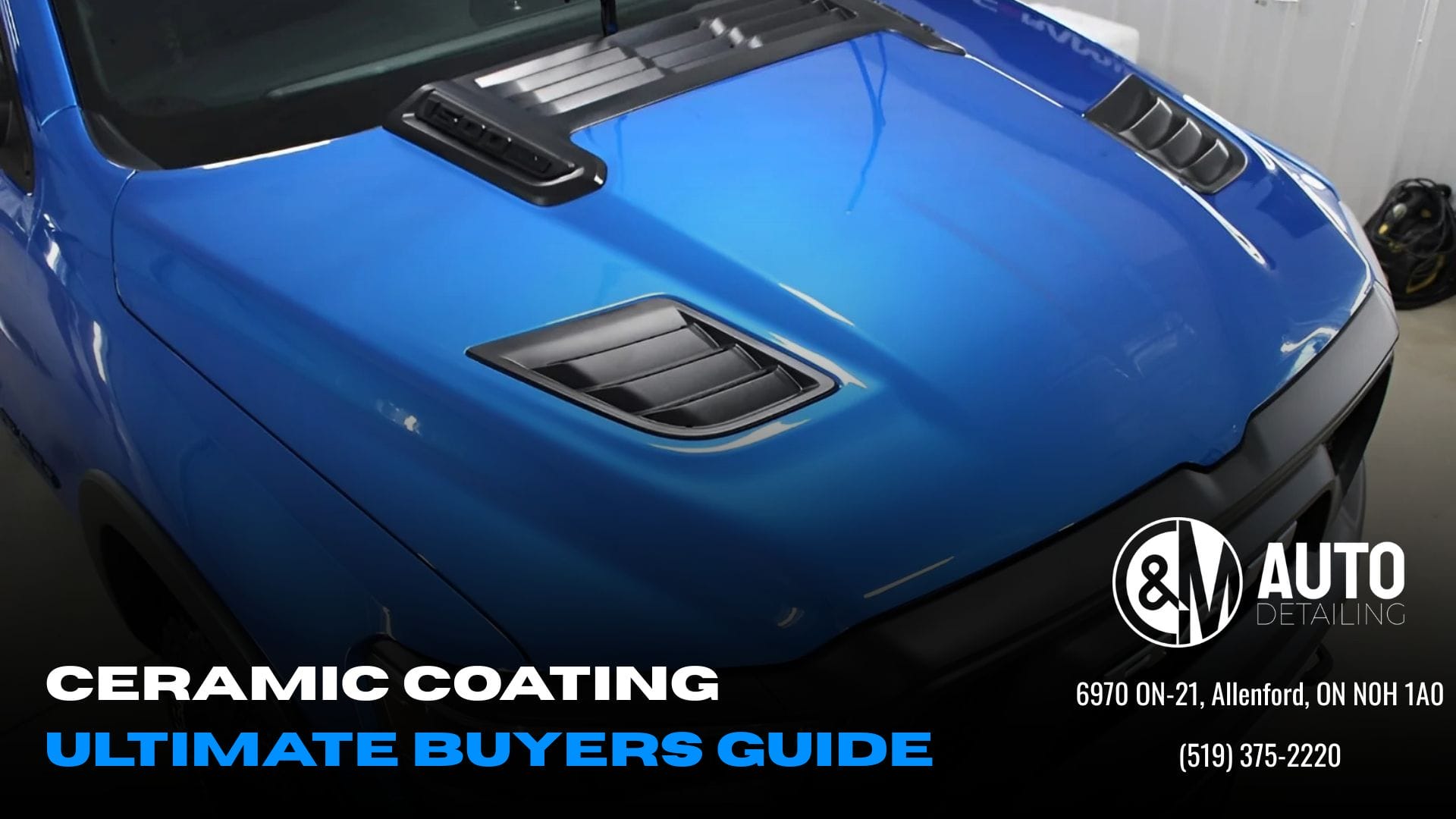
This guide was written by our team here at C&M Auto Detailing with 10+ years of hands-on experience in advanced detailing and protective services. The goal is to help you make an informed purchase whether you choose our ceramic coating service or go elsewhere. Use the table of contents below to navigate.
Table of Contents
What Does Ceramic Coating Do? What’s The Best Ceramic Coating Ceramic Coating vs PPF What Does Ceramic Coating Cost? How to get a perfect ceramic coating install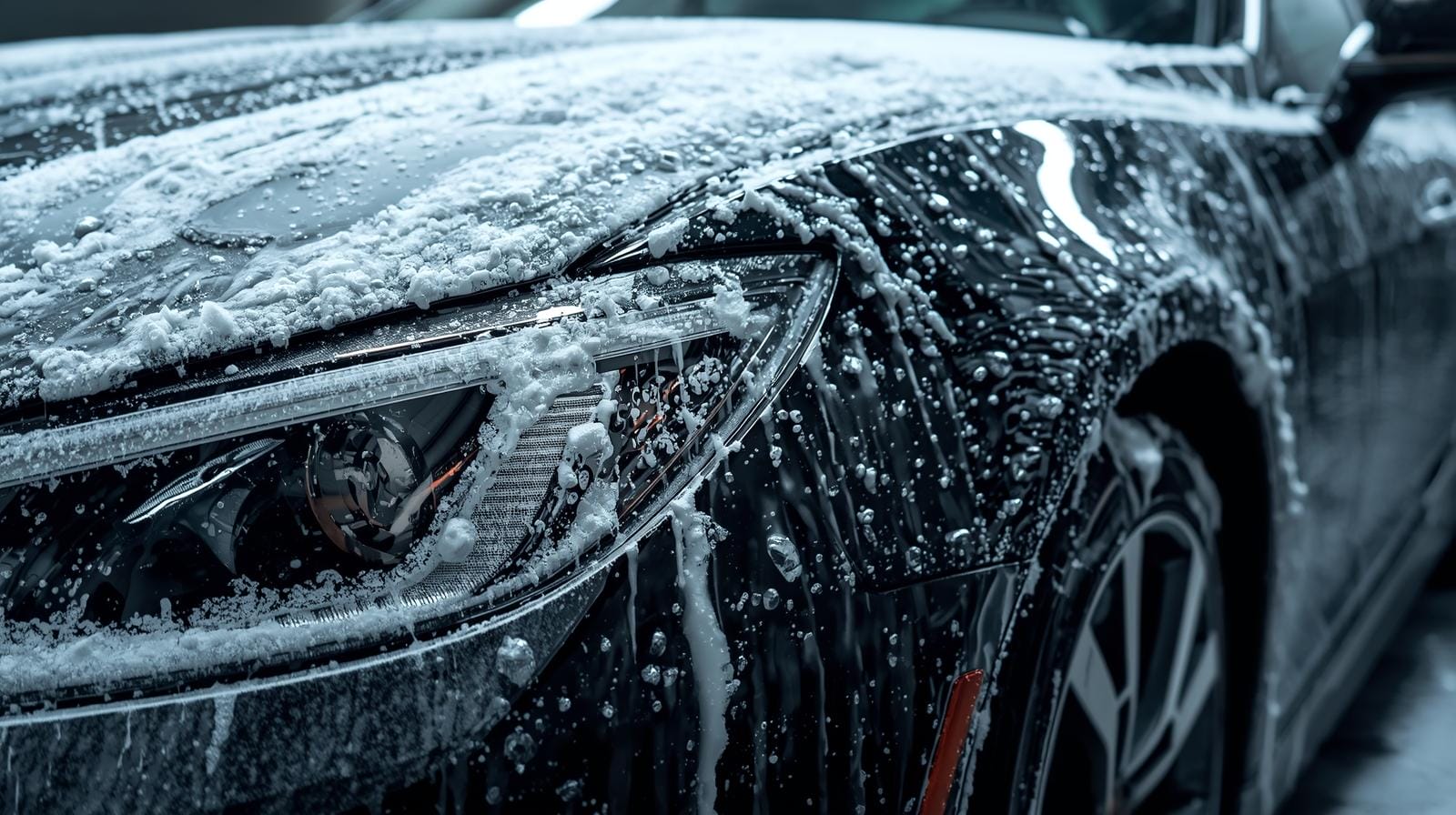
WHAT DOES CERAMIC COATING DO?
A ceramic coating is a liquid applied over the vehicle’s paint. Once properly applied and cured, it chemically connects with the paint making a strong, hydrophobic (water-repelling) layer.
KEY BENEFITS
Hydrophobic effect: Causes water to roll off, making washing easier and reducing water-spots.
UV protection: It helps shield your paint from fading caused by the sun and environment.
Chemical and stain resistance: Resistance against contaminants like bird droppings, sap, acid rain, brake dust and dirt.
Enhanced gloss and slick finish: Enhances the look of your cars paint. Adds depth and clarity.
WHAT IT WON’T DO
It is not a thick impact-absorbing shield. It will not prevent rock chips or scratches.
It does not eliminate proper washing and maintenance. Neglect will shorten its lifespan.
It will not fix existing damage; A coating may make swirls or scratches more visible because of the increased gloss. This is why we typically do a paint correction first.
WHAT IS THE BEST CERAMIC COATING
When selecting a ceramic coating, consider the following chart:
| Feature | Why It Matters |
|---|---|
| Chemical Formula | A higher concentration of active components typically leads to stronger bonds and longer durability. |
| Durability & warranty | Quality coatings often claim multi-year performance (3-5 yrs or more) when properly applied and maintained. |
| Surface preparation & install environment | The best coating may fail if the prep is poor or the application environment is uncontrolled (dust, humidity, temperature). |
| Maintenance friendliness | A coating that repels contaminants, resists staining and simplifies washing will deliver better everyday value. |
| Brand & installer reputation | Trusted products and certified installers give higher reliability of results. |
Feynlab offers premium coatings with high chemical content and long-term durability.
Key ideas when picking a coating:
Choose the coating quality based on how long you plan to keep your vehicle, how often you use it, and exposure (sun, road salts, urban environment).
Don’t rely purely on marketing claims. Ask: What is the actual life of this coating? What maintenance is required? Is paint correction included?
The application quality can matter more than the brand name itself. A mid-tier product applied meticulously could outperform a premium product applied poorly.
CERAMIC COATING VS PPF
For clarity, here’s how ceramic coating stacks up against paint protection film (PPF):
| Feature | Ceramic Coating | Paint Protection Film (PPF) |
|---|---|---|
| Protection type | Bonds to paint; adds hydrophobic layer; enhances gloss; resists chemical/stain/UV damage. | Clear thermoplastic urethane film applied over paint; physically absorbs rock chips, debris, and heavier impacts. |
| Scratch / rock-chip resistance | Limited — still vulnerable to chips & heavy abrasion. | High — designed for impact, self-healing of light scratches in many cases. |
| Maintenance & cleaning | Easier washes due to slick surface; water beads and rolls off. | Also easier maintenance in many cases; check film edges for peeling and damage. |
| Gloss / appearance | Excellent for aesthetic enhancement (deep shine + slick finish). | Focused more on protection; gloss improvement is modest. |
| Typical cost & coverage | Usually lower cost than full-body PPF; quality of prep critical. | Higher upfront cost especially for full-vehicle film coverage. |
| Best use case | Ideal if your priority is wash-ease, gloss retention, chemical/UV protection, daily driver in moderate conditions. | Ideal if you face harsh conditions like gravel roads, stone-chip zones, heavy impact risk and you want maximum physical barrier. |
| Bottom line | Great value for everyday protection and visual enhancement. | Best suited for maximum barrier/physical protection — often used in conjunction with coating for a hybrid strategy. |
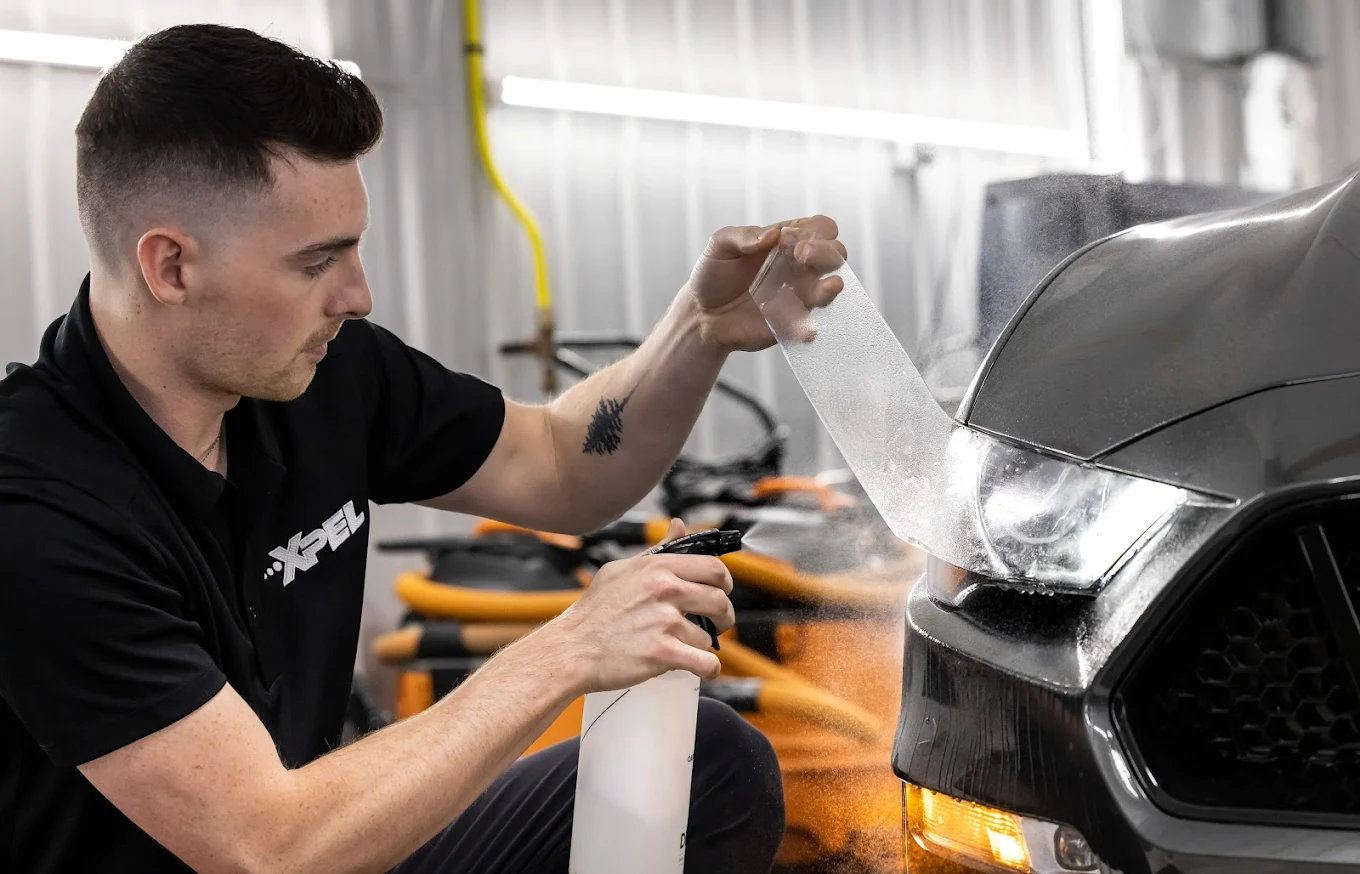
The best approach is to apply PPF on high-impact places(hood, bumper, fenders, mirrors) and then finish with a ceramic coating on the whole vehicle for gloss and easy maintenance. This delivers the best protection and gloss.
WHAT DOES CERAMIC COATING COST
| Package | Sedan (Avg) | SUV/Truck (Avg) |
|---|---|---|
| Entry Coating (1-year protection) | CAD $400 – $700 | CAD $600 – $900 |
| Mid-Tier Coating (3-5 yrs protection) | CAD $1,000 – $1,400 | CAD $1,400 – $2,000 |
| Premium Coating + Paint Correction (5+ yrs) | CAD $1,500 – $2,500 | CAD $2,000 – $3,500+ |
At C&M Auto Detailing, we ensure your service includes top-tier products (such as premium coatings like Feynlab), meticulous surface prep, and our certified team’s expertise. Because for us, it’s all about Pride in Every Job and delivering results you can trust.
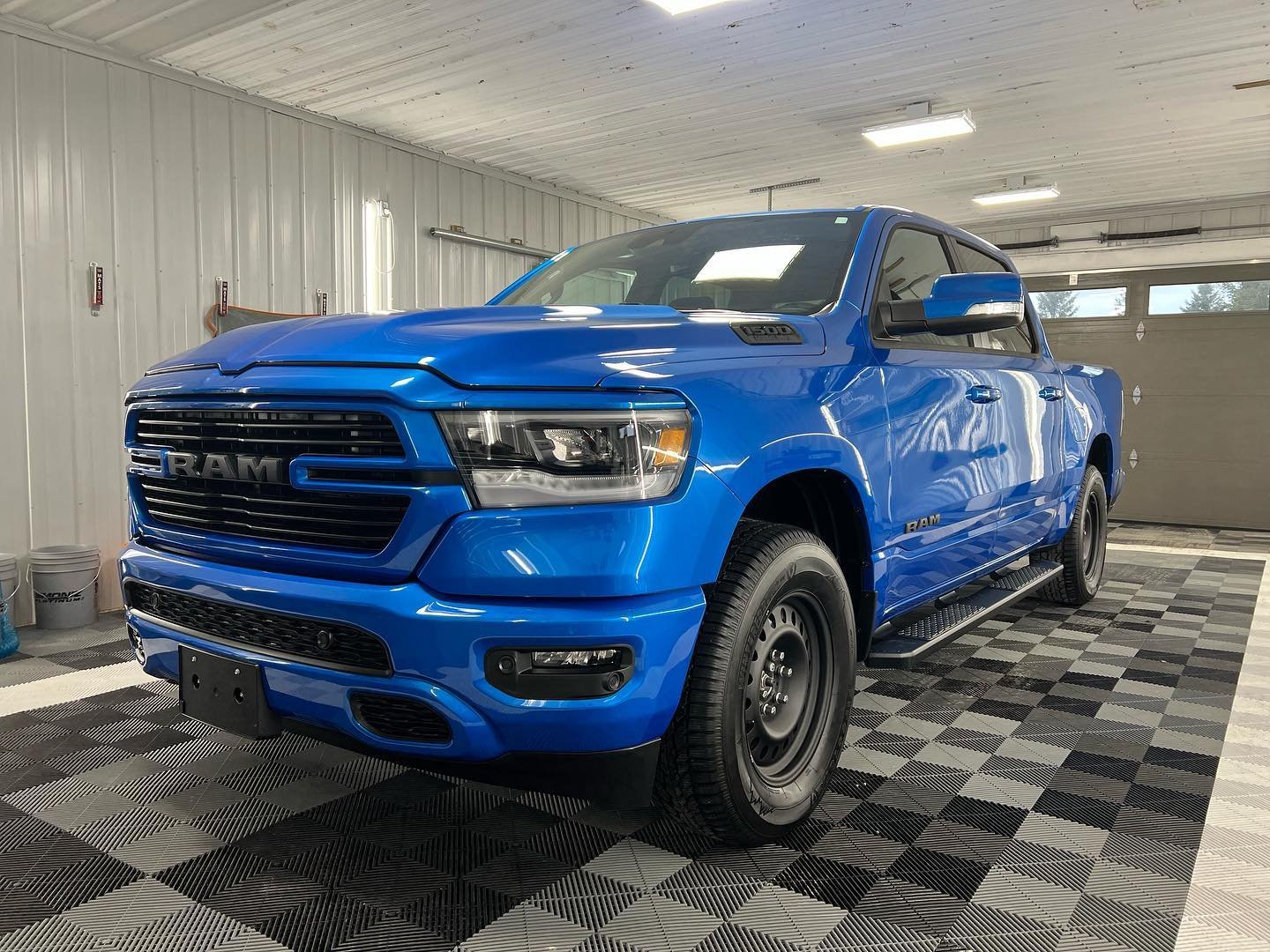
HOW TO GET A PERFECT CERAMIC COATING
The installation process is very important. Even the best coating can underperform if prep or application are done poorly. Here’s what we do at C&M (and what you should expect any installer to follow):
Pre-Installation Steps:
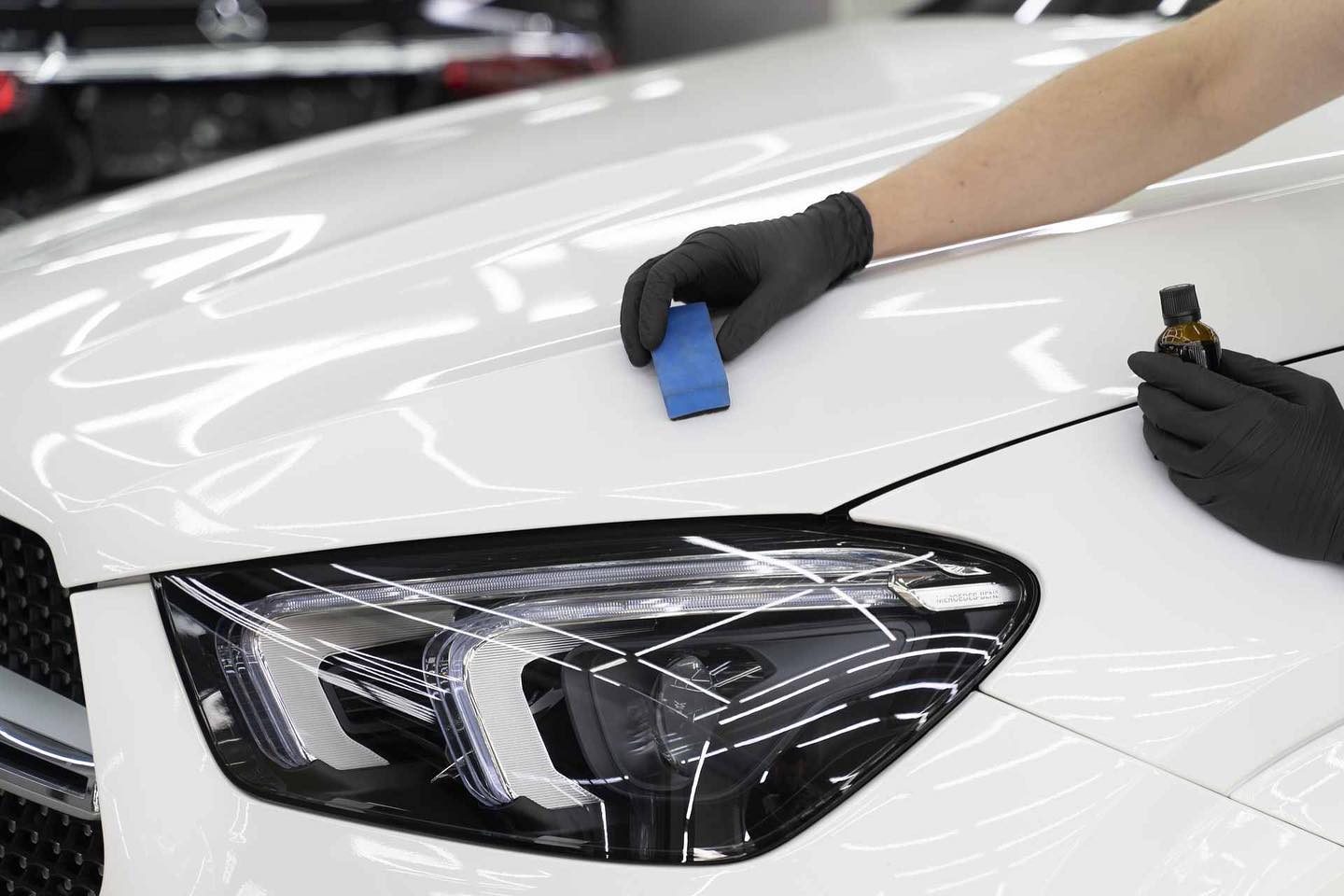
Thorough wash and decontamination (clay bar ) to remove contaminants.
Paint condition: Remove swirls, scratches and oxidation before coating. A coating will lock in the condition of the paint. If any defects remain, they may become more visible.
Application in a controlled environment (correct temperature, humidity, dust free) for the best end results.
Application Steps:
Apply the coating in small manageable sections according to manufacturer instructions.
Wipe off any haze or high-spots properly; ensure consistent coverage and cure.
Once application is complete, allow proper curing time (often 24–48 hours before water exposure, road use, etc.).
Questions you should ask your installer:
What surface prep is included? (washing, decontamination, paint correction)
What coating are you using and what is its rated lifespan under my driving conditions?
Will the work be completed in a controlled environment (shop bay vs outdoors)?
Does the coating show up on my vehicles carfax report?
Can you show past jobs with before/after pictures?
Do I need to wait before the vehicle is exposed to rain, car washes, etc?